

In the thriving poultry industry of Uganda, scaling up operations to raise 20,000 chickens is a significant step towards achieving commercial success. However, the backbone of such an expansion lies in choosing the right layer raising equipment. This article will guide you through the essential considerations and options available, ensuring your poultry farm operates efficie ntly and profitably.

Understanding the Basics of Layer Raising Equipment
Choosing the right equipment is crucial for maximizing productivity and ensuring the health of your chickens. There are two primary types of layer raising equipment: Type A and Type H. Each has its advantages and is suited to different scales of operation.
Type A Layer Raising Equipment
Type A equipment is traditional and provides basic functionalities such as automatic feeding, drinking, manure cleaning, and egg collecting. It’s flexible and can be adapted with additional features like climate control. This type is generally more affordable and is ideal for operations ranging from 10,000 to 30,000 chickens, making it a viable option for those starting or expanding their poultry business in Uganda.

Type H Layer Raising Equipment
Type H equipment offers a more modern and automated solution, suitable for larger-scale operations above 30,000 chickens. It includes advanced systems for feeding, ventilation, and egg collecting, all managed through computerized controls. While Type H is more expensive, its efficiency and precision make it a valuable investment for those aiming to scale up significantly.

Key Considerations for Choosing Equipment
When selecting layer raising equipment for 20,000 chickens, several factors must be considered to ensure optimal performance and sustainability.
1. Space and Layout
A well-designed chicken house is vital for maintaining optimal living conditions. For 20,000 layers, a caged system requires approximately 850 to 1000 square meters, while a free-range system may need 1450 to 1600 square meters. The layout should facilitate easy movement for workers and efficient operations, including feeding, egg collection, and waste management.
2. Ventilation and Climate Control
Maintaining the right temperature and humidity is crucial for egg production. Layers thrive in temperatures between 21-23°C with humidity levels of 50-60%. Proper ventilation systems are essential to regulate airflow, preventing overheating or excess moisture, which can stress chickens and reduce productivity.

3. Lighting
Lighting plays a significant role in egg production. Chickens require 16-18 hours of light daily to maintain consistent egg-laying cycles. Automated lighting systems can help control the duration and intensity of light, mimicking natural day-night cycles to optimize egg production.
4. Waste Management
Efficient waste management is critical in a large-scale operation. Automated manure removal systems reduce labor and prevent odor buildup, which can negatively impact chicken health. Ensuring proper waste disposal is essential for maintaining a clean and safe environment.
The Advantages of Automated Systems
Investing in automated systems offers numerous benefits, enhancing efficiency and reducing labor costs. Here are some key advantages:
- Labor Savings: Automation reduces the need for manual labor, allowing one person to manage a large chicken house efficiently.
- Higher Productivity: Automated feeding and egg collection systems ensure consistent operations, leading to higher productivity and reduced waste.
- Improved Health and Safety: Automated climate control systems maintain optimal environmental conditions, reducing the risk of disease outbreaks.
- Long-term Cost Efficiency: High-quality equipment requires fewer repairs, ensuring long-term stability and reducing maintenance costs.

Recommended Layer Equipment for Ugandan Poultry Farms
Several companies offer advanced poultry equipment tailored to the needs of Ugandan farmers. Livi Poultry Equipment, for instance, provides state-of-the-art battery layer chicken cages designed for maximum space utilization and efficiency. Their equipment includes:
- Automatic Feeding Systems: Ensure chickens receive the correct amount of feed at the right time, optimizing feed use and reducing waste.
- Automatic Egg Collection Systems: Reduce the risk of breakage and contamination while improving labor efficiency.
- Climate Control Systems: Maintain optimal temperature and humidity levels, creating the best environment for egg production.
- Automatic Cleaning Systems: Keep the poultry house clean and hygienic, minimizing the spread of disease.
Conclusion
Choosing the right layer raising equipment is a critical step in managing a successful poultry farm for 20,000 chickens in Uganda. By considering factors such as space, climate control, lighting, and waste management, and investing in automated systems, you can enhance productivity and ensure the health and well-being of your flock.
Whether you’re starting or expanding your poultry operation, investing in high-quality equipment like Livi Poultry Equipment can streamline your processes, reduce labor costs, and maximize egg production. As you embark on this journey, remember that the right equipment is not just a purchase—it’s an investment in the future success of your poultry business.
For more information and to explore the best poultry equipment solutions, contact Livi Poultry Equipment today and take the first step towards a more efficient and profitable poultry farming operation.
Whatsapp: 8615090085057
You might like:
 60,000 Chicken House Battery Layer Cage System in Tanzania
 20640 pcs poultry breeding equipment layer cages shipped to Tanzania
 Can Poultry Equipment Supplier Provide Farm Layout and Project Design?
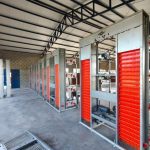 Full Automatic Poultry Equipment for 60,000 Layers H Type Battery Cages
 Cost-Effective Solution Battery Cage Systems in Poultry Farming