

LIVI POULTRY EQUIPMENT | COMMERCIAL CAGE BUYING GUIDE
Questions to Ask Before Buying Commercial Chicken Cages
Buying commercial chicken cages is a long-term investment. The right cage system should match your flock size, poultry house dimensions, automation requirements and operating budget. Choosing equipment by price alone can lead to insufficient cage capacity, incomplete automatic systems, unexpected installation costs or expensive building changes. This guide explains 15 important questions to ask before buying commercial chicken cages. It is designed for commercial layer farmers, poultry investors and project buyers who need to evaluate A-type and H-type cage systems before placing an order.QUICK ANSWER
Before buying commercial chicken cages, ask the supplier about cage type, dimensions, bird capacity, material specifications, automation equipment, poultry house layout, installation, warranty, and total delivered cost. Confirm whether feeding, drinking, manure removal, egg collection, ventilation, and electrical controls are included. For large layer farms, compare A-type and H-type solutions according to capacity, available space, labor, and future expansion. A reliable supplier should provide a cage quantity calculation, preliminary layout, detailed quotation, and clear technical support arrangements before you place an order.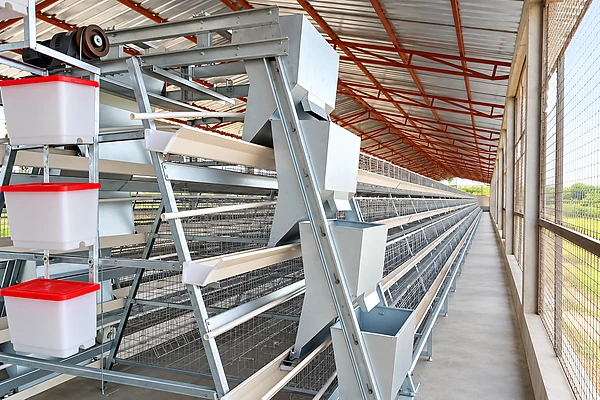
1. What Type of Chicken Cage Is Suitable for My Farm?
Start by telling the supplier what type of poultry you plan to raise. Commercial layer cages, broiler cages and pullet cages serve different production stages. A cage designed for adult laying hens should not automatically be selected for brooding or broiler production. For commercial egg production, the next decision is usually between an A-type layer cage system and an H-type layer cage system.| Feature | A-Type Layer Cage | H-Type Layer Cage |
|---|---|---|
| Structure | A-frame arrangement | Vertical multi-tier arrangement |
| Initial Investment | Often lower for basic configurations | Usually higher with integrated automation |
| Automation | Available according to configuration | Well suited to integrated automatic systems |
| Farm Planning | Practical for selected budget-focused projects | Suitable for larger, automation-focused projects |
| Typical LIVI Direction | Often preferred around 10,000 layers | Prioritized for 20,000–50,000+ layer projects |
2. How Many Birds Can Each Cage Set Accommodate?
Ask for the exact rated capacity per set, cage dimensions, number of tiers and door configuration. A supplier should be able to explain how the total required cage quantity is calculated. LIVI’s preferred H-type layer cage configuration is the 1200mm, 4-tier, 2-door model with 144 birds per set. Its reference cage specification is 1200 × 625 × 480 mm. The final capacity must be checked against the actual model and applicable stocking requirements.| Planned Layers | Minimum Sets at 144 Birds/Set | Planning Note |
|---|---|---|
| 20,000 | 139 | Confirm row arrangement |
| 30,000 | 209 | Four rows × 53 sets = 30,528 positions |
| 50,000 | 348 | One or two houses, according to site design |
3. What Materials and Corrosion Protection Are Used?
Ask the supplier to specify the cage wire, frame materials, steel thickness where applicable, surface treatment and corrosion protection method. Poultry houses can expose equipment to moisture, manure gases, cleaning chemicals and other challenging conditions. Do not rely only on descriptions such as “high quality galvanized steel.” Request an appropriate technical specification and clarify which components receive which protective treatment.4. Will the Cage System Fit My Existing or Planned Poultry House?
Before purchasing, ask for a preliminary poultry house layout. It should show cage rows, passageways, cage-line lengths, manure discharge areas, egg collection positions and any other equipment needing operating space. If your poultry house has already been built, provide its length, width, clear height and internal column positions. If the house has not yet been constructed, confirm the cage system and preliminary layout before finalizing the building dimensions. Read more: Should You Choose the Layer Cage Before Building the Poultry House?5. Which Automatic Systems Are Included in the Price?
A quotation for automatic chicken cages may include very different equipment from one supplier to another. Ask whether the following systems are supplied, optional or excluded.| System | Buyer Question |
|---|---|
| Feeding | Are feeding machines, main conveyors, feed silo and motors included? |
| Drinking | Are nipple lines, filters, regulators and other water components included? |
| Manure Removal | Are manure belts, cross conveyors and discharge equipment included? |
| Egg Collection | Are row egg belts, elevators and central collection included? |
| Environment | Are fans, cooling equipment, sensors, lighting and controllers included? |
| Electrical | Are control cabinets, cabling and installation connections included? |
6. Does the Supplier Provide a Poultry House Layout?
A preliminary cage layout should be one of the most useful documents provided before confirming a commercial poultry cage order. It connects the bird capacity with the physical building and supporting equipment. Ask whether the layout includes cage rows, working aisles, equipment end clearances, feed delivery routes, egg collection and manure discharge arrangements. Structural construction drawings may require separate engineering work and local review.7. Is the System Suitable for My Local Climate and Power Supply?
Commercial poultry equipment should be selected with the local climate and available utilities in mind. Ask what ventilation, cooling, lighting and control systems are recommended for your farm location. Also confirm the equipment voltage, frequency, phase requirements and power demand. LIVI can evaluate electrical configurations according to project requirements. Where power supply is unstable, suitable voltage protection and backup power arrangements should be assessed. Critical systems such as mechanical ventilation need a reliable emergency plan. The correct solution depends on local electrical and environmental conditions.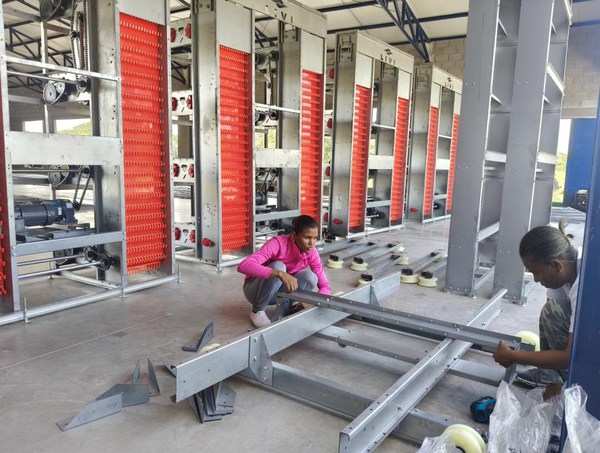
8. Can the System Be Expanded in the Future?
Ask whether the first-stage layout allows future growth. A farm planning 20,000 layers today may want to increase capacity later, so land use, house positions, feed storage, electricity and other shared infrastructure should be considered early. For a 50,000-layer project, both one house and two houses of approximately 25,000 hens each can be evaluated. The better option depends on land dimensions, management plans, site access and the cost of separate automatic systems.9. What Is the Complete Equipment Price and What Is Excluded?
Do not compare quotations only by the price per cage set. The number of birds per set, steel specifications, equipment quantities and included automatic systems can differ significantly. Ask for itemized pricing and a written list of exclusions. Poultry house construction, freight, customs charges, main electrical works, backup power, installation labor and other costs may be outside the cage package. Related guide: How to Compare Poultry Equipment Suppliers and Quotations.10. Can the Supplier Show Relevant Commercial Farm Projects?
Ask for real project photos, relevant installation examples, product videos and completed farm information when available. A supplier’s experience with a project of similar capacity and automation level is more relevant than unrelated product photographs. Check that the project images, installed equipment and claimed capacity correspond to the actual reference project. Do not treat a 3D concept illustration as evidence of an operating farm.11. How Will Installation and Training Be Provided?
Before ordering, confirm who is responsible for installing cages, motors, control equipment, feeding, egg collection and manure removal systems. Installation should follow the agreed technical drawings and manufacturer requirements. LIVI can discuss two main support approaches: on-site engineering guidance or remote support using drawings, manuals, videos and online communication. The exact arrangement, local labor responsibilities and related costs should be confirmed in the agreement.12. What Warranty, Spare Parts and After-Sales Support Are Available?
Ask what the warranty covers, how long it lasts, when it starts and what exclusions apply. Confirm how spare parts for motors, belts, nipples, controllers and other replaceable components can be obtained. Do not assume all parts have the same warranty period. The supplier should provide clear component-specific terms and a practical after-sales support process.13. What Are the Production, Shipping and Delivery Terms?
Ask for the expected production lead time, packing method, delivery destination and shipping conditions. International buyers should confirm whether the quotation is EXW, FOB, CIF or another agreed trade term. Also check payment arrangements, quotation validity, required documents and responsibilities for customs clearance. A clear contract is more reliable than a verbal delivery estimate.14. What Documents and Certifications Can the Supplier Provide?
Ask which documents are available for the specific equipment and destination market. Depending on the product and country, these may include technical drawings, packing lists, commercial invoices, certificates of origin, quality documentation and applicable conformity documents. The existence of a company certification does not automatically mean every product satisfies every destination-country requirement. Confirm the certificates and import documentation relevant to the actual order.15. What Information Does the Supplier Need from Me?
A professional poultry equipment supplier should ask about the actual farm rather than quote from bird quantity alone. Before requesting a detailed proposal, prepare the following information:- Type of poultry: layers, broilers or pullets
- Target number of birds
- Country and project location
- Existing house length × width × height, if available
- Available land dimensions if construction has not started
- Preferred automation equipment
- Electricity and water supply conditions
- Expected purchasing schedule and delivery destination
Commercial Chicken Cage Buying Checklist
Before confirming a purchase, verify the following points with the supplier:- ☐ Cage type matches the poultry production stage.
- ☐ Bird capacity, tiers and number of sets are confirmed.
- ☐ Materials and corrosion protection are specified.
- ☐ The proposed cages fit the poultry house layout.
- ☐ Feeding and drinking equipment are clearly listed.
- ☐ Manure removal and egg collection scope is defined.
- ☐ Ventilation and electrical requirements are evaluated.
- ☐ Future expansion has been considered.
- ☐ Total equipment price and exclusions are documented.
- ☐ Relevant project references are available.
- ☐ Installation responsibilities and training are agreed.
- ☐ Warranty and spare parts arrangements are clear.
- ☐ Delivery terms and schedule are written.
- ☐ Required documentation is identified.
- ☐ A preliminary layout and itemized quotation are supplied.
Frequently Asked Questions
What is the most important question before buying commercial chicken cages?
Ask whether the proposed cage system can accommodate the planned flock within the actual poultry house and whether all required equipment is included. Cage quantity, layout and automation should be checked together.Should I choose A-type or H-type layer cages?
A-type is often suitable for budget-focused commercial projects, including many 10,000-layer farms. H-type is generally preferred for larger, highly automated operations. The choice depends on site and operating conditions.How do I know whether a cage supplier is reliable?
Review the supplier’s technical specifications, relevant project references, cage calculations, drawings, commercial terms, installation support and warranty documentation rather than relying on price or promotional claims alone.Should I request a poultry house layout before ordering?
Yes. A preliminary layout helps confirm cage rows, total capacity, working aisles and equipment installation space before the order or final building construction.Can LIVI provide commercial chicken cage designs and quotations?
LIVI can review commercial poultry project requirements and discuss cage configurations, preliminary house layouts and automatic equipment quotations based on the planned capacity and site information.Conclusion: Choose a Complete Farm Solution, Not Just a Cage Price
The best commercial chicken cage purchase starts with the right questions. Confirm the cage model, installed capacity, materials, layout, automation scope, project references, installation support and commercial terms before placing an order. For farms planning 10,000 birds or more, LIVI can help evaluate suitable A-type and H-type layer cage configurations. For larger automatic layer projects, the popular 1200mm H-type model with 144 birds per set is an important option to consider.COMMERCIAL POULTRY CAGE SOLUTIONS
Ask LIVI About Your Poultry Cage Project
Planning a new commercial poultry farm or upgrading existing equipment? Share your project requirements to discuss suitable cage models, automatic systems, preliminary poultry house layouts and equipment quotations.- Type and number of chickens
- Project country and location
- Existing poultry house or available land dimensions
- Automatic equipment requirements
- Planned purchasing schedule
You might like:
 Ghanaian farmers use laying hen farming equipment
 Cost of 20,000 Pullet Cage System | H-Type Pullet Equipment
 The role and relationship of automatic poultry farming equipment to poultry industry
 China Manufacturer Battery Cage System for Broilers With Lower Price
 How to buy high-quality chicken cages in North America?