In the realm of poultry farming, efficiency and productivity are paramount. As the demand for poultry products continues to soar, farmers are constantly seeking innovative solutions to optimize their operations. One such solution is the adoption of battery cages, particularly for large-scale operations involving 30,000 layers. This article delves into the intricacies of battery cages for layers, the cost of chicken raising equipment, and how to find a reliable poultry equipment supplier.

Understanding Battery Cages for Layers
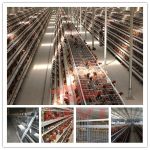
Battery cages for laying hens are a staple in modern poultry farming, especially for egg production. These cages are designed to house a large number of chickens in a compact space, maximizing productivity while ensuring the welfare of the birds. A typical battery cage system for layers includes several tiers of cages, each equipped with feeding, watering, and egg collection systems.
Key Features of Battery Cages
- Durability and Material: Most battery cages are constructed from galvanized steel, ensuring longevity and resistance to corrosion. This is crucial for maintaining hygiene and reducing maintenance costs over time.
- Automated Systems: Advanced battery cages come with automated feeding, watering, and egg collection systems. These features not only reduce labor costs but also enhance efficiency.
- Space Optimization: With designs that can accommodate up to 30,000 layers, these cages are engineered to make the best use of available space, often featuring multiple tiers.
- Improved Hygiene: The design includes manure collection systems that facilitate easy cleaning, thereby maintaining a healthy environment for the chickens.

Why Opt for a 30,000 Chicken Cage System?
For poultry farmers aiming to scale their operations, a 30,000 chicken cage system offers numerous advantages:
- Economies of Scale: Large-scale operations benefit from reduced per-unit costs, making it more cost-effective in the long run.
- Increased Productivity: With automated systems, the productivity per bird increases, leading to higher overall output.
- Space Efficiency: These systems are designed to fit a large number of birds in a relatively small area, optimizing land use.
Chicken Raising Equipment Price: What to Expect
Investing in chicken raising equipment is a significant financial decision that requires careful consideration of costs versus benefits. The price of poultry equipment can vary based on several factors:
- Quality of Materials: Higher quality materials, such as galvanized steel, may have a higher upfront cost but offer better durability.
- Level of Automation: Fully automated systems will be more expensive than semi-automated ones, but they can significantly reduce labor costs.
- Brand and Supplier: Established brands with a reputation for quality may charge more, but they often provide better after-sales support and warranties.
Finding a Reliable Poultry Equipment Supplier
Choosing the right poultry equipment supplier is crucial for ensuring the success of your poultry farming venture. Here are some tips to guide your decision:
- Research and Reviews: Look for suppliers with positive customer feedback and a strong track record in the industry.
- Certifications and Standards: Ensure that the supplier’s products meet international standards such as ISO 9001, CE, and SGS certifications.
- After-Sales Support: A reliable supplier should offer comprehensive after-sales support, including installation assistance and maintenance services.
- Customization Options: Some suppliers offer customizable solutions to meet specific farm requirements, which can be a significant advantage.

Insights from Industry Leaders
According to top Google search results, companies like Livi Machinery is leading providers of poultry battery cage systems. These companies emphasize automation, durability, and efficient space utilization in their designs, catering to both small and large-scale poultry farms. For instance, Livi Machinery offers a 30000 layers cage design that integrates automated egg collection and manure removal systems, ensuring high productivity and ease of management.
Conclusion
Investing in a battery cage system for layers, particularly one that can accommodate up to 30,000 chickens, is a strategic move for any poultry farmer looking to enhance efficiency and productivity. By understanding the features of these systems, assessing the costs involved, and choosing a reliable supplier, farmers can significantly improve their operations. As the poultry industry continues to evolve, staying informed about the latest equipment and technologies is essential for maintaining a competitive edge.
For those ready to take the next step, consider reaching out to reputable suppliers to explore the best options for your farm. Whether you’re expanding an existing operation or starting anew, the right equipment can make all the difference in achieving your poultry farming goals.