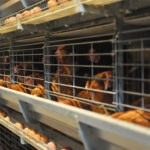
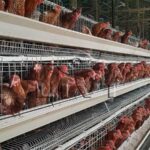
In modern poultry farming, selecting the right battery cage system for layers is crucial to achieving high productivity, animal welfare, and cost efficiency. As farms scale up, the demand for more advanced equipment grows — pushing the shift from traditional manual cages to fully automated layer cage systems. This article provides a comprehensive guide to help farmers and agribusinesses choose the best battery cage system, whether manual, semi-automatic, or fully automated.

1. Understanding Battery Cage Systems
Battery cage systems are stacked, multi-tiered cages designed to house laying hens efficiently. These systems vary in design, functionality, and level of automation. Depending on farm size, budget, and operational goals, poultry farmers can choose from:
- Manual Battery Cage Systems: Basic models that require manual feeding, watering, egg collection, and waste removal.
- Semi-Automatic Systems: Partial automation for feeding or egg collection, reducing some labor requirements.
- Fully Automatic Systems: Integrated systems that handle feeding, egg collection, manure cleaning, and climate control with minimal human intervention.
2. Manual vs. Fully Automatic Cage Systems: A Comparison
| Feature | Manual System | Fully Automatic System |
|---|---|---|
| Feeding | Manual with troughs | Automated feeding conveyor |
| Watering | Manual or nipple drinkers | Automated pressure-regulated systems |
| Egg Collection | Hand-picked | Egg belts and elevators |
| Manure Removal | Manual or scraper system | Conveyor belts with drying systems |
| Labor Requirement | High | Low |
| Initial Investment | Low | High |
| Operational Efficiency | Moderate | High |
| Suitable For | Small-scale farms | Medium to large commercial operations |
3. Why Automation Matters in Layer Cage Systems
Automation in poultry farming isn’t just a trend — it’s a response to real challenges, including labor shortages, biosecurity demands, and the need for consistent production. Fully automated battery cage systems offer:
- Increased productivity: Timely feeding and optimal egg collection reduce losses.
- Improved hygiene: Automated manure removal reduces disease risks.
- Labor efficiency: Operators can manage more birds with fewer workers.
- Data integration: Advanced systems offer real-time monitoring and control.

4. Key Features to Look for in the Best Layer Cage Systems
Whether you’re choosing manual or automatic, ensure the following features are part of your evaluation:
- Durability and Material: Galvanized or stainless steel to resist corrosion.
- Bird Comfort: Adequate space per bird, smooth edges to prevent injury.
- Ventilation and Lighting: Essential for bird health and egg production.
- Easy Maintenance: Design that allows quick cleaning and minimal downtime.
- Expandability: Modular systems that can grow with your farm.
5. Top Considerations Based on Farm Size
🐣 Small Farms (Manual or Semi-Auto Preferred)
- Lower upfront cost
- Easier installation
- Ideal for limited space and fewer birds
🐔 Medium to Large Farms (Go Automatic)
- Focus on automation for scalability
- Lower long-term operational costs
- Better egg quality and lower mortality
6. Reviews & Case Studies: Real-World Applications
Case Study 1: Semi-Automated in Rural India
A 5,000-bird layer farm upgraded from fully manual cages to semi-automatic feeding systems. Result: 35% labor cost reduction and a 12% increase in daily egg yield.
Case Study 2: Fully Automated in Nigeria
A 20,000-bird operation implemented a fully automated battery cage with manure drying belts and egg conveyors. Result: consistent hygiene, improved worker safety, and increased egg collection efficiency by 40%.

7. Final Recommendations
- Budget-conscious farmers: Start with durable manual or semi-auto systems and upgrade over time.
- Growth-focused farms: Invest in automation early to reduce long-term costs and improve sustainability.
- Regardless of type: Choose manufacturers with strong after-sales service, customization options, and installation support.
Conclusion
The journey from manual to fully automatic battery cage systems represents more than a technological upgrade — it’s a strategic move toward efficiency, profitability, and sustainable farming. By understanding the key differences, evaluating your farm’s needs, and choosing the right system, you’ll be better positioned to raise healthy layers and maximize egg production.
Whether you’re just getting started or looking to scale, there’s a solution tailored to your farm’s goals. Choose wisely, invest smartly, and stay ahead in the evolving world of poultry farming.