

Starting a poultry farm is a lucrative venture, but it requires a clear understanding of the costs involved. If you’re considering launching a 20,000-layer poultry farm, you’re likely curious about the expenses you’ll incur. This guide will walk you through the various costs associated with establishing and operating such a farm, offering insights to help you make informed decisions.

Introduction
The poultry farming industry has seen significant growth in recent years, driven by advancements in breeding technology and a rising demand for eggs and poultry products. However, entering this industry requires careful planning and investment. This article will explore the costs involved in starting a 20,000-layer poultry farm, covering everything from land acquisition to equipment and operational expenses.
Understanding the Cost Components
When planning to start a 20,000-layer poultry farm, it’s crucial to break down the costs into manageable components. These include:
- Land Costs
- Construction Costs
- Equipment Costs
- Breeding Costs
- Operational Costs
Let’s delve into each of these components to understand their impact on your overall investment.

1. Land Costs
The first step in setting up a poultry farm is securing land. For a 20,000-layer poultry farm, you’ll need a plot of land approximately 91 meters long and 14 meters wide. This space will accommodate feed silos, egg storage facilities, and lanes for manure removal trucks. Based on market data, the annual rent for such a plot is approximately USD 308.84.
2. Construction Costs
The construction of the poultry house is a significant expense, with options for open or closed structures.
- Open Chicken House: This type is economical and suitable for natural ventilation. It typically measures 85 meters long, 7.5 meters wide, and 3.2 meters high. The construction involves a color steel roof, durable walls, and a cement floor. The total cost for building an open chicken house is around USD 21,858.28, with an annual depreciation cost of USD 1,092.98 over 20 years.
- Closed Chicken House: This alternative uses a light steel structure, providing better insulation and protection. The construction cost for a closed chicken house is approximately USD 30,992.31, with an annual depreciation of USD 1,549.62.
3. Equipment Costs
Modern poultry farms benefit from automation, which reduces labor costs and increases efficiency. For a 20,000-layer farm, investing in automatic cage equipment is essential. This includes systems for automatic feeding, drinking, manure cleaning, and egg collecting. The annual cost for chicken equipment is about USD 2,9430.20.

4. Breeding Costs
Breeding costs are a crucial consideration, as they directly impact your farm’s productivity. These costs include:
- Purchase of Baby Chickens: At USD 0.46 per chick, you’ll need approximately 10,205 chicks to account for a 2% mortality rate, totaling USD 4,727.53.
- Feed Costs: During the brooding period (0-17 weeks), each bird consumes about 5.78 kg of feed, costing USD 27,325.11. During the laying period (18-100 weeks), each bird requires 63 kg of feed, costing USD 290,769.23.
- Vaccination and Other Expenses: Vaccination costs are around USD 3,088.37, water costs USD 804.23, electricity USD 1,605.77, and labor USD 17,989.78.
5. Operational Costs
The total cost for raising 20,000 layer chickens from brooding to elimination is approximately USD 353,345.23. This figure highlights the importance of efficient farm management to maximize returns on investment.
Potential Income from Poultry Farming
The revenue from a 20,000-layer poultry farm primarily comes from egg sales and the sale of culled chickens. Here’s a breakdown:
- Egg Sales: Assuming a laying cycle of 570 days, a laying rate of 83%, and an egg price of USD 0.0831 per piece, the total income from eggs is approximately USD 393,146.10.
- Sale of Culled Chickens: With a 95% survival rate and a meat price of USD 1.70 per kg, the income from selling culled chickens is around USD 32,153.80.

Conclusion
Starting a 20,000-layer poultry farm involves significant investment, but with proper planning and management, it can be a profitable venture. The total costs can exceed USD 353,000, but potential earnings can reach over USD 424,000, yielding a profit margin of around 20%.
For aspiring poultry farmers, understanding these costs and revenue streams is crucial for success. By leveraging efficient equipment, optimizing feed use, and maintaining high breeding standards, you can maximize your farm’s profitability.
Call to Action
If you’re ready to embark on this rewarding journey, consider consulting with industry experts to tailor your farm setup to your specific needs and local conditions. For further insights and assistance, explore resources from reputable poultry equipment suppliers and poultry farming consultants.
By carefully navigating the financial aspects of poultry farming, you can establish a thriving business that meets market demands while ensuring sustainable growth.
You might like:
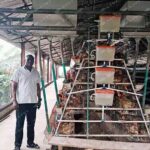 Layer Chicken Cages for Sale in Nigeria High-Quality Poultry Equipment at Factory Price
 Looking for Battery Cages for 15,000 Layer Chickens in Uganda
 Chicken Cage For 10,000 Layers In Nairobi Kenya
 Commercial Chicken Cage with Automated System in Layer Hen Farm
 Automatic Egg Layer Cages in Uganda Affordable Poultry Farming Solutions for 2025