

Starting or expanding a poultry farm with 20,000 layers in Kampala requires strategic planning and the right equipment to ensure profitability, efficiency, and animal welfare. Poultry equipment in Kampala plays a pivotal role in optimizing production, reducing labor costs, and maintaining a healthy environment for your layers. This article will guide you how to choose poultry equipment for 20,000 layer in Kampala, covering key considerations, types of equipment, and practical tips tailored to large-scale poultry farming in Uganda’s capital.

Why Choosing the Right Poultry Equipment Matters
Managing 20,000 laying hens is a significant undertaking. Without the right poultry equipment, you risk inefficiencies, higher mortality rates, and increased operational costs. Proper equipment enhances:
- Productivity: Automated feeding and watering systems ensure consistent nutrition.
- Hygiene: Manure removal systems reduce disease risk.
- Labor Efficiency: Automation reduces manual labor and associated costs.
- Animal Welfare: Comfortable housing and climate control improve egg production and bird health.
Key Factors to Consider When Choosing Poultry Equipment for 20,000 Layers
Before investing in poultry equipment, evaluate the following factors to make informed decisions:
1. Type of Poultry Housing System
The two main housing systems for layers are:
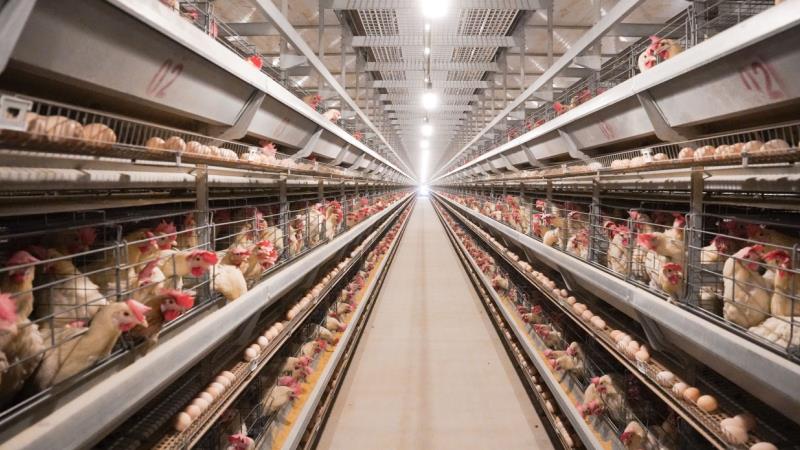
- Battery Cage System: Highly efficient, space-saving, and widely used for commercial layer farms. For 20,000 layers, cage systems like A-type or H-type battery cages are recommended.
- Deep Litter or Free-Range Systems: Require different equipment and more space, less suitable for very large-scale operations in limited land areas.
Recommendation: For Kampala’s commercial poultry farms with space constraints, battery cage systems—especially H-type layer cages—offer optimal space utilization and automation compatibility.
2. Automation Level
Automation improves efficiency and reduces labor costs. Consider equipment with:
- Automatic Feeding Systems: Ensure timely and uniform feed distribution.
- Automatic Drinking Systems: Nipple drinkers or bell drinkers provide clean water, preventing contamination.
- Automatic Egg Collection: Reduces egg breakage and labor.
- Automatic Manure Removal: Keeps the environment clean and reduces disease.
3. Durability and Material Quality
Equipment must withstand the humid tropical climate of Kampala and frequent cleaning. Look for:
- Hot-Dip Galvanized Steel Cages: Resistant to corrosion, acid, and alkaline damage.
- High-Quality Feeders and Drinkers: Made from durable plastic or stainless steel.
- Robust Automation Components: To minimize breakdowns and maintenance.
4. Space and Layout Planning
A typical poultry house for 20,000 layers measures approximately 75m x 10m x 4m with 3 rows of cage systems. Proper layout ensures:
- Efficient movement for workers.
- Adequate ventilation.
- Optimal lighting for layers.
5. Vendor Reputation and After-Sales Support
Choose suppliers experienced in large-scale poultry projects, offering:
- Installation and commissioning services.
- Training for farm staff.
- Maintenance and spare parts availability.

Essential Poultry Equipment for 20,000 Layers in Kampala
To successfully manage 20,000 layers, your poultry farm should be equipped with the following:
1. Layer Battery Cages
- A-type or H-type cages are most common.
- For 20,000 layers, about 105 sets of H-type cages (each holding 192 birds) arranged in 3 rows optimize space.
- Features include sloped floors for egg rolling, manure trays, and easy access doors.
2. Feeding Systems
- Automatic feeding machines with feed silos ensure continuous feed supply.
- Deep “V” shaped feed troughs reduce wastage.
- Feeders should be designed to provide comfortable feeding space per bird (~450 cm²).
3. Drinking Systems
- Nipple drinkers are hygienic and water-saving, preferred for cage systems.
- Bell drinkers can be used for broilers or deep litter systems.
- Automatic water supply reduces contamination risk.
4. Egg Collection Systems
- Automated egg belts or rollers collect eggs gently, minimizing breakage.
- Systems should be easy to clean and maintain.
5. Manure Removal Systems
- Conveyor belts or scraper systems remove manure regularly.
- Keeps the poultry house clean, reducing ammonia and disease risk.
6. Environmental Control
- Ventilation fans and cooling systems maintain optimal temperature and humidity.
- Proper lighting systems encourage consistent egg laying.
7. Additional Equipment
- Vaccination and medication tools for disease control.
- Transport crates for moving birds safely.
- Debeaking machines if necessary, to prevent pecking injuries.

Practical Tips for Selecting Poultry Equipment in Kampala
Conduct a Needs Assessment
- Analyze your farm’s size, budget, and production goals.
- Consider future expansion plans.
Prioritize Automation for Large Scale
- Automation reduces labor costs and improves consistency.
- For 20,000 layers, manual systems are impractical.
Source Equipment Locally or Regionally
- Reduce shipping costs by choosing suppliers with presence in East Africa.
- Ensure availability of spare parts and technical support.
Verify Equipment Specifications
- Confirm cage dimensions, material quality, and compatibility with automation.
- Ask for references or case studies from farms with similar scale.
Invest in Training
- Proper operation of automated systems requires trained personnel.
- Work with suppliers offering training and after-sales support.
Case Study: Successful 20,000 Layer Farm Setup Using H-Type Layer Cage in Kampala
A poultry farm in Kampala recently installed 105 sets of H-type layer cages in a 75m x 10m poultry house, integrating:
- Automatic feeding and drinking systems.
- Manure scraper belts.
- Automated egg collection belts.
- Feed silos for continuous supply.

Results:
- Increased egg production by 25% compared to previous deep litter system.
- Labor costs reduced by 40% due to automation.
- Improved bird health with reduced disease outbreaks.
This example demonstrates the efficiency and profitability of choosing the right poultry equipment for large-scale layer farming.
Conclusion
Choosing the right poultry equipment for 20,000 layers in Kampala is crucial for maximizing productivity, ensuring bird welfare, and minimizing operational costs. Focus on durable, automated systems such as H-type battery cages combined with automatic feeding, drinking, manure removal, and egg collection equipment. Partner with reputable suppliers offering comprehensive support and training to ensure your poultry farm thrives.
Ready to take your poultry farm to the next level? Start by assessing your farm’s needs and contacting trusted poultry equipment supplier providers today to get tailored solutions for your 20,000-layer project in Kampala.
You might like:
 H-Type Battery Cages for 50,000 Layers Competitive Price Poultry Equipment in Nigeria
 Battery Cage System Installation Guide for Poultry Farmers
 Chicken Cages For Sale in Nigeria Poultry Farm
 A-Type Chicken Cages for 20,000 Layers | Commercial Poultry Cage Systems
 Nigeria 24,480 Birds H Type Broiler Cages Project