Setting up a poultry farm for 30,000 egg-laying chickens is a profitable venture when backed by a clear plan, proper chicken raising equipmentfor 30000 layers, and modern management systems. For farmers who aim to maximize efficiency and reduce labor costs, automation and scientific housing structures—especially H-type battery cages—offer an ideal solution. This plan provides a comprehensive overview of how to establish and run such a farm affordably and sustainably.

30000 Egg Farm Design and Layer Cage System Selection
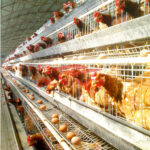
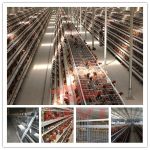
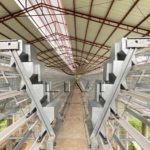
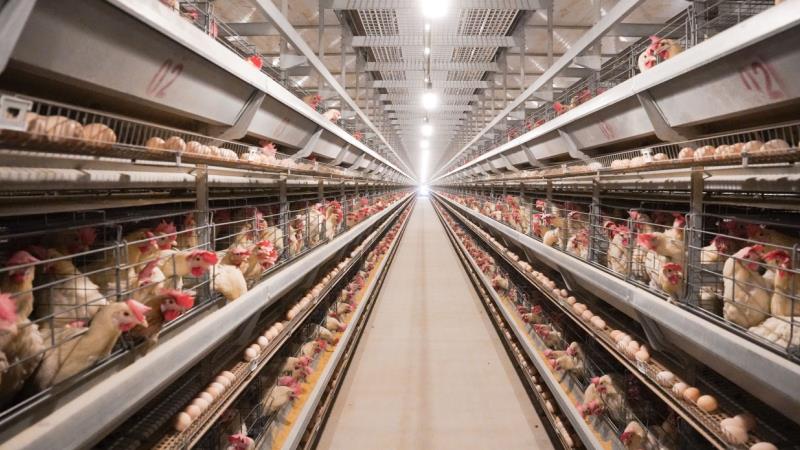
For a flock of this size, chicken layer cage type and layout are critical. The most suitable option is the H-type battery layer cage system, known for its durability, space efficiency, and ability to integrate with automation. Each cage unit has dimensions of 1200mm x 625mm x 480mm, housing 144 birds per set using a 4-tier, 2-door design. To accommodate 30,000 layers, farmers need approximately 210 sets of cages (30,000 ÷ 144 = ~208.3).
The vertical stacking of the H-type layer cages allows better space utilization and ventilation. Birds are kept in hygienic conditions with minimal risk of cross-contamination, which supports higher egg production and bird health.
Space and Infrastructure Requirements
A poultry house for 30,000 layers typically requires chicken house around 102*15*4M , depending on layer chicken cage arrangement and ather automatic chicken raising equipment layout. The house should include:

- Steel structure or block walls
- Adequate natural or mechanical ventilation
- Lighting system (16–18 hours/day)
- Sloped floors for drainage
- Curtain or tunnel ventilation system
The house must be designed to support automation for feeding, egg collection, and manure removal, which significantly reduces daily labor.
Essential Other Chicken Raising Equipment for Automation
Modern egg farms depend heavily on automation to reduce operational costs and improve consistency. The following equipment is recommended:
- Automatic feeding system: Uniform feed delivery across all tiers.
- Nipple drinking system: Clean water supply with no spillage.
- Automatic egg collection equipment: Reduces egg breakage and labor time.
- Ventilation and climate control: Maintains optimal temperature and airflow.
- Belt-type manure removal system: Efficient waste management to keep the environment clean.
All these systems can be integrated with the H-type layer cage units and are designed for long-term use with minimal maintenance.

Estimated Investment Cost (Budget-Friendly Version)
A cost-effective setup with reliable quality can be achieved with chicken cage suppliers and basic housing design. Here’s a rough breakdown of the minimum investment required:
| Item | Approximate Cost (USD) |
|---|---|
| H-type Layer Cages for 30000 layers (210 sets) | $40,000 – $55,000 |
| Feeding & Manure Systems | $5,000 – $10,000 |
| Poultry House Construction | $20,000 – $35,000 |
| Day-old Layer Chicks (30,000) | $10,000 – $15,000 |
| Lighting & Small Equipment | $3,000 – $5,000 |
| Total Estimate | $78,000 – $120,000 |
This estimate is designed to be accessible for small to mid-sized poultry entrepreneurs, while still allowing for a fully functional automatic chicken farming system.
Egg Production and Revenue Potential
With proper care, 30,000 layers can produce approximately 27,600 to 29,000 eggs per day, assuming 92–96% laying rate. At an average farmgate price of $0.08 per egg, daily revenue could reach $2,160 to $2,320. Monthly revenue (30 days) may exceed $60,000–$69,000 before deducting feed and operational costs.
Good flock management, disease prevention, and balanced nutrition are essential to maintain high productivity.
Farm Management Tips
- Lighting: Maintain 16–18 hours of light daily to stimulate laying.
- Vaccination: Follow a strict vaccination schedule to prevent disease.
- Biosecurity: Limit access to outsiders, disinfect regularly, and monitor flock health daily.
- Record-Keeping: Track feed consumption, egg output, mortality, and temperature.
Efficient management ensures the farm runs smoothly and profitably with only 3–5 workers.
Waste Management and Sustainability
With the belt-type manure removal system, chicken waste is collected cleanly and transported out of the house daily. This reduces ammonia levels, odor, and disease risk. The manure can be composted and sold as organic fertilizer, offering an additional income stream and reducing the environmental footprint of the farm.
Conclusion
An automatic poultry farm business plan for 30,000 egg-laying hens can be a profitable and manageable project when planned with smart equipment choices and effective management. By using H-type battery cages and integrating automated systems, farmers can reduce labor, increase productivity, and create a hygienic, high-yield egg farm that meets growing market demand. With a reasonable budget and dedication, this model can serve as a sustainable business for years to come.