

The poultry industry in Tanzania has grown rapidly over the past decade as the demand for eggs continues to increase in urban areas such as Dar es Salaam, Dodoma, and Arusha. Many investors and farmers are now transitioning from small backyard production to commercial poultry farming with 10,000–30,000 layers.
One of the most common questions from new investors is:
What is the price of chicken layer cage for 20,000 birds poultry farm in Tanzania?
The answer depends on several factors including cage type, level of automation, poultry house design, and transportation costs. This guide explains the actual investment required, equipment specifications, and a real project example, helping poultry farmers make informed decisions.

Featured Snippet: Price of Chicken Layer Cage for 20,000 Layers
The price of chicken layer cage for 20,000 layers in Tanzania typically ranges between $22,000 and $55,000, depending on the cage system and automation level.
Typical pricing structure:
| Cage System | Capacity | Estimated Price |
|---|---|---|
| A-type layer cage system | 20,000 birds | $22,000 – $30,000 |
| H-type semi-automatic cage system | 20,000 birds | $30,000 – $40,000 |
| Fully automatic H-type system | 20,000 birds | $45,000 – $55,000 |
These systems usually include:
- Layer cages
- Automatic feeding system
- Nipple drinking system
- Egg collection system
- Manure removal system
The final cost may vary depending on farm layout and transportation to Tanzania.
Why Poultry Farmers in Tanzania Choose Layer Cage Systems
Traditional deep-litter systems are still used in small farms, but commercial egg farms increasingly use battery cage systems because they significantly improve productivity.
Advantages of chicken layer cages include:
Higher stocking density
Cage systems allow farmers to raise more chickens in a smaller space, which reduces construction costs.
Improved egg collection efficiency
Eggs roll directly onto egg trays or belts, reducing breakage and labor time.
Better disease control
Cages reduce contact between chickens and manure, which lowers disease risk.
Lower feed waste
Automatic feeding systems distribute feed evenly and reduce waste.
Because of these advantages, cage systems are widely used in commercial poultry farms across East Africa, especially in Tanzania and Kenya.
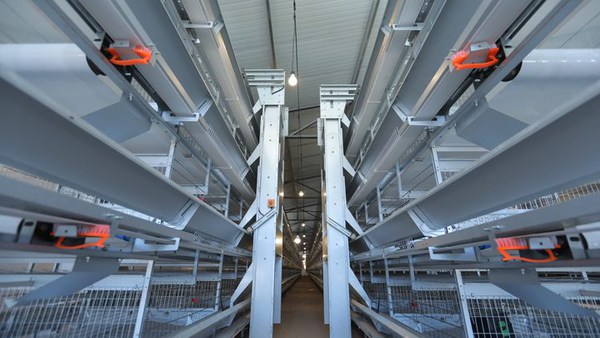
Typical Equipment for 20,000 Layers Poultry Farm
A modern commercial poultry farm requires more than just cages. A complete system includes several important components.
1. Layer Chicken Cages
Most farms in Tanzania use 3-tier or 4-tier layer cages.
Example configuration:
- 4-tier H-type cage
- 144 birds per set
- Approximately 140 cage sets for 20,000 birds
Cages are usually made from hot-dip galvanized steel, which protects them from corrosion and allows a lifespan of 15–20 years.
2. Automatic Feeding System
The feeding system distributes feed along the cage rows using a chain or auger system.
Benefits:
- Uniform feed distribution
- Reduced labor cost
- Less feed waste
For a 20,000 birds farm, automatic feeding can save 2–3 workers per day.
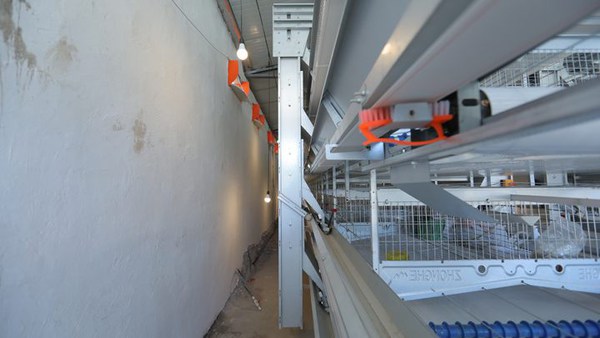
3. Nipple Drinking System
Each cage is equipped with nipple drinkers connected to water pipelines.
Advantages:
- Clean drinking water
- Less bacterial contamination
- Improved poultry health
Nipple drinking systems are now standard equipment in most commercial poultry farms.
4. Automatic Egg Collection System
Egg collection belts transport eggs to the end of the cage row.
This system helps:
- Reduce egg breakage
- Increase egg collection efficiency
- Lower labor requirements
5. Manure Removal System
Chicken manure is removed using belt systems or scrapers.
Regular manure removal improves:
- Air quality
- Farm hygiene
- Chicken health
Farm Layout for a 20,000 Layers Project in Tanzania
Proper farm design is essential for efficient poultry production.
A typical 20,000 layers poultry farm layout includes:
Two poultry houses:
- Capacity per house: 10,000 birds
- Length: 90–100 meters
- Width: 10–12 meters
- Height: 4–5 meters
Cage arrangement example:
- Two rows of cages
- Four tiers
- Central walkway for egg collection
Good ventilation and spacing between poultry houses are also critical for maintaining a healthy environment.
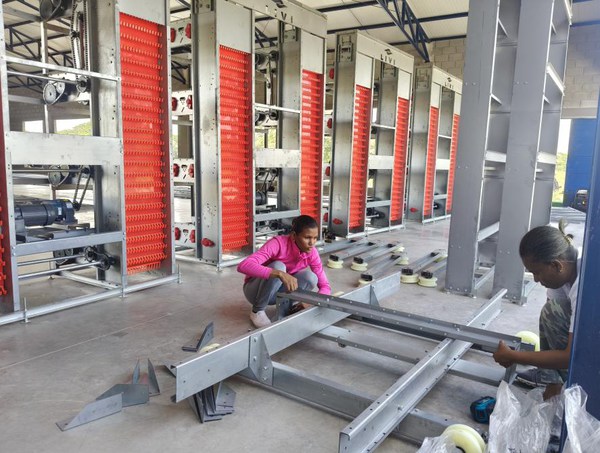
Real Case Study: 20,000 Layers Poultry Farm in Tanzania
A poultry farm in Tanzania recently installed a 20,000 layers cage system to expand egg production.
Project details:
Farm size: 2 poultry houses
Total layers: 20,000 birds
Cage type: 4-tier H-type layer cage system
Production performance:
- Average laying rate: 90%
- Daily egg production: approximately 18,000 eggs
If eggs sell for $0.10 per egg, daily revenue can reach:
$1,800 per day
Annual revenue estimate:
$650,000+
This example demonstrates how commercial poultry farming can be a profitable agribusiness in Tanzania when using efficient cage systems.
Total Investment for a 20,000 Layers Poultry Farm
Besides the price of chicken layer cage, investors must consider several additional costs.
Typical investment breakdown:
| Investment Item | Estimated Cost |
|---|---|
| Layer cage system | $22,000 – $55,000 |
| Poultry house construction | $15,000 – $25,000 |
| 20,000 pullets | $8,000 – $10,000 |
| Feeding equipment & water system | $5,000 – $10,000 |
| Transportation & installation | $5,000 – $15,000 |
Total estimated investment:
$55,000 – $115,000
The exact cost will depend on feed prices, construction materials, and the location of the farm.
A-Type vs H-Type Layer Cage: Which One Is Better?
Choosing the correct cage system depends on farm size and budget.
A-Type Layer Cage
Advantages:
- Lower initial investment
- Simple structure
- Suitable for small farms (10,000–20,000 birds)
Disadvantages:
- Lower automation
- Higher labor requirement
H-Type Layer Cage
Advantages:
- Higher stocking density
- Fully automated systems available
- Suitable for large commercial farms
Disadvantages:
- Higher initial cost
Most large poultry farms in Tanzania now prefer 4-tier H-type layer cage systems due to their higher efficiency.
Tanzania Poultry Farming Market Outlook
The egg market in Tanzania continues to grow due to:
- Rapid population growth
- Increasing urban demand
- Improved poultry farming technology
According to agricultural market estimates, egg consumption in Tanzania is expected to continue rising, creating strong opportunities for commercial layer farms with 10,000–50,000 birds.
This makes poultry farming one of the most attractive agricultural investments in East Africa.
People Also Ask?
What is the price of chicken layer cage in Tanzania?
The price of chicken layer cage systems in Tanzania typically ranges between $22,000 and $55,000 for a 20,000 layers project, depending on cage type and automation level.
How many cages are required for 20,000 layers?
A farm with 20,000 layers usually requires 120–150 cage units, depending on cage capacity and tier design.
How long does it take to install a layer cage system?
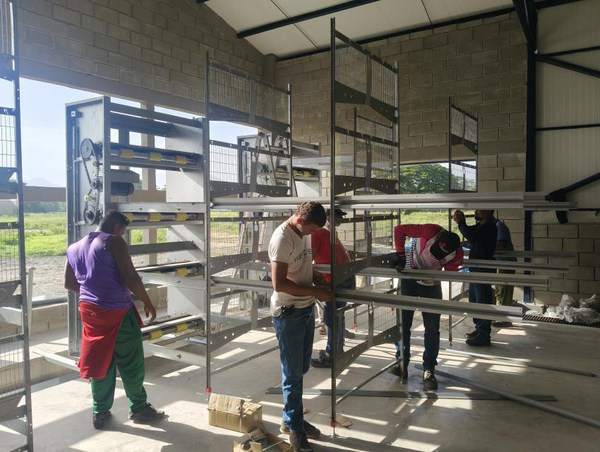
Installation for a 20,000 birds poultry cage system usually takes 15–30 days, depending on the automation level and farm construction progress.
What is the lifespan of a chicken layer cage?
High-quality hot-dip galvanized cages can last 15–20 years with proper maintenance.
Is poultry farming profitable in Tanzania?
Yes. A well-managed 20,000 layers poultry farm can produce over 6 million eggs per year, making it a profitable long-term investment.
Conclusion
Understanding the price of chicken layer cage is essential when planning a commercial poultry farm in Tanzania.
For a 20,000 layers project, the chicken cage system cost typically ranges from $22,000 to $55,000, depending on the level of automation and cage design.
With proper farm planning, high-quality equipment, and efficient management, poultry farmers can build a sustainable and profitable egg production business.
Commercial layer farming is becoming one of the most promising agricultural investments in Tanzania, especially as demand for eggs continues to grow.
You might like:
 Where to Buy 30,000 Layers Chicken Cages in Lagos?
 20,000 Battery Cages for Sale in South Africa From Poultry Equipment Supplier
 Modern Poultry Equipment In Azra With Nice Price
 Suppliers of Poultry Farming Equipment With High Quality
 What chicken farming equipment do Nigerian farmers need to start a chicken farm